7 Tacky Home Trends That Designers Secretly Love
:max_bytes(150000):strip_icc()/ms-gold-finishes-8cf18418e76a413b9d1e726832c359af.jpg "7 Tacky Home Trends That Designers Secretly Love")
Some home trends get labeled as tacky simply because they’re bold, personal, or misunderstood. Interior designers, however, see these choices differently—less as mistakes, and more as opportunities to add character to your space. When done well, these so-called faux pas can actually become the most interesting part of a home.
Below, we spoke to designers about the tacky trends that they’re quietly cheering on.
- Tasha Frie, interior designer at Sims
- Evelina Juzėnaitė, principal interior designer at Planner 5D
- Jacqueline Goncalves, interior designer and founder of Moksa Studio
Visible Kitchen Shelving
Getty Images
Open shelving is often criticized as impractical or messy, but designers argue that’s only the case when it’s treated as storage rather than design.
“Open shelving encourages intentionality in what you display, creating a kitchen that feels both personal and lived in,” says Tasha Frie, interior designer at Sims. The reason it gets labeled as tacky, she adds, is “poorly executed open shelving [that’s] overcrowded with mismatched items and utilitarian packaging.”
When styled thoughtfully, these shelves become both functional and visual. Curate everyday objects with aesthetic value, like “handsome ceramic vessels, quality olive oil in beautiful bottles, and well-crafted wooden boards,” she says. “Each piece should earn its place both aesthetically and functionally.”
Animal Print
Animal print is often dismissed as flashy or outdated, but when used sparingly, it can add depth and character to a space.
“Many associate it with glamour and bright interiors,” says Evelina Juzėnaitė, principal interior designer at Planner 5D. However, from a design perspective, “it adds depth, individuality, and character.”
The key is restraint. Rather than committing to large surfaces, use animal print selectively. “We don’t use it a lot, mainly for pillows, ottomans, or rugs,” she says. This way, it will function as an accent, rather than a statement.
Colorful Appliances
Getty Images
Colorful appliances can feel risky, especially in kitchens and bathrooms. Designers, however, see them as an opportunity to introduce a sense of personality.
Juzėnaitė notes that, for some, these elements “seem tasteless because they’re too bold and bright.” Designers, on the other hand, appreciate them for their individuality. Items that usually fade into the background—such as sinks, toilets, or appliances—can become focal points when color is used thoughtfully.
However, keep the rest of the room neutral: “Use one or two bright elements in the room to show exactly where the focus is and surround them with a more subdued color palette,” she says.
Dark Paint in Small Rooms
Dark paint in a small room is sometimes considered a design mistake, but Frie explains that dark walls can “create remarkable depth and intimacy rather than diminishing space.”
The reason dark paint is often labeled as tacky, she explains, comes down to execution: without proper lighting or contrast, the effect can feel flat or cave-like. However, when done intentionally, it reads as rich and sophisticated.
Frie recommends layering in reflective and light-balancing elements, noting that warm metallics, such as brass fixtures or gilded mirrors—along with thoughtful lighting, are essential. These details help the room feel enveloping, rather than closed-in.
Floral Wallpaper
Getty Images
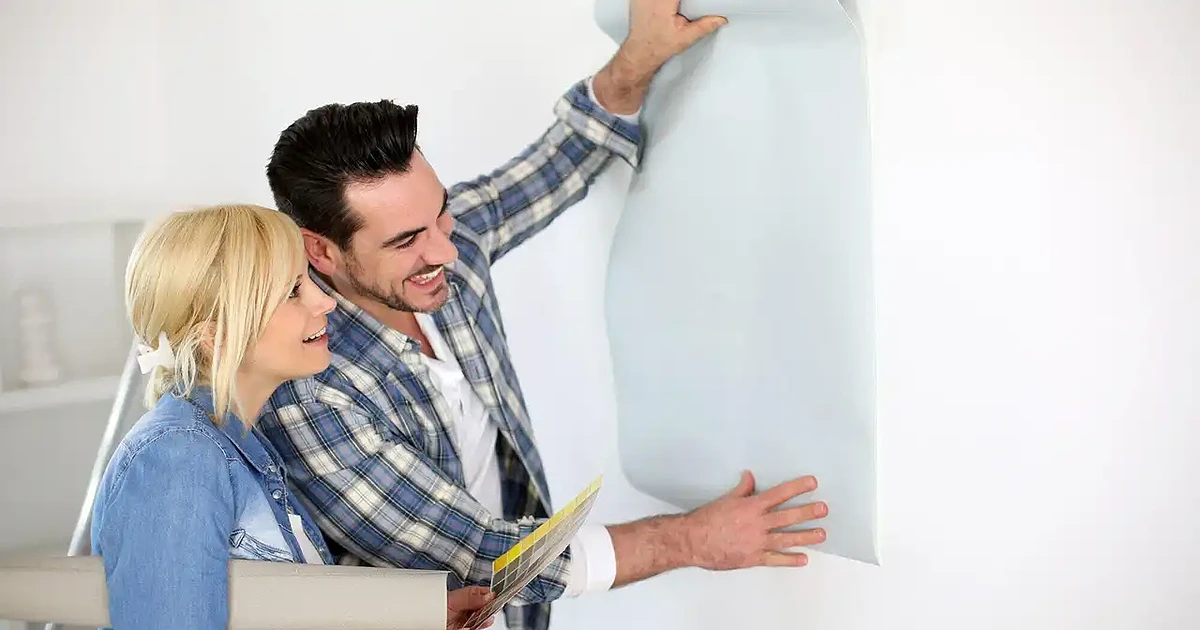
Floral wallpaper can be easily written off as busy or old-fashioned, but designers say it can be effective when handled with intention.
To keep the look from feeling overwhelming, Juzėnaitė recommends contrast, advising homeowners to “use such wallpaper on one wall” and pair it with “simple furniture so that there’s no chaos.” When grounded by clean lines and a pared-back palette, floral wallpaper can be the expressive element in your room.
Fringe
Fringe is usually considered dated or overly decorative, but designers say it can add movement and softness to a space. “It often gets dismissed, but I love it when it’s used with restraint,” says Jacqueline Goncalves, interior designer and founder of Moksa Studio.
The reason fringe is often labeled tacky, she explains, is that it’s frequently overused or paired with very traditional pieces; when thoughtfully edited, however, it reads as sophisticated.
Rather than leaning into nostalgia, she suggests pairing fringe with clean, contemporary silhouettes so it feels fresh, rather than costume-like. A fringe-trimmed sofa, chair, or bench introduces texture and a subtle sense of motion—especially when balanced with quieter materials and a pared-back palette.
Brass and Gold Finishes
Getty Images
Shiny brass and gold finishes are often categorized as flashy or over-the-top, but designers say the material itself isn’t the problem—it’s how it’s used.
Goncalves points out that metals feel most elevated when they’re allowed to age. “When they’re unlacquered, live finishes that patina naturally, they take on a warmth and depth that’s hard to replicate.”
These finishes develop character over time, especially when paired with grounded materials like wood, stone, or plaster.
link
:max_bytes(150000):strip_icc()/GettyImages-2196178842-b558c6c2141b4b8a87412d4860b78fcf.jpg "5 Secret Ways Designers Make a Room Smell Incredible")
:max_bytes(150000):strip_icc()/GettyImages-950771888-d1f2633aada04c449137e25d16980ee8.jpg "6 Unexpected Color Combinations Designers Are Loving Right Now")